
FAQ
Frequently Asked Questions
Find answers to the most common questions about our homes, financing options, and the path to homeownership. General
General Questions. Solid Answers.
What is the difference between Manufactured homes and Modular homes?
Manufactured homes and modular homes are both built in a controlled factory environment, then transported to the home site. The biggest difference is the building code they follow.
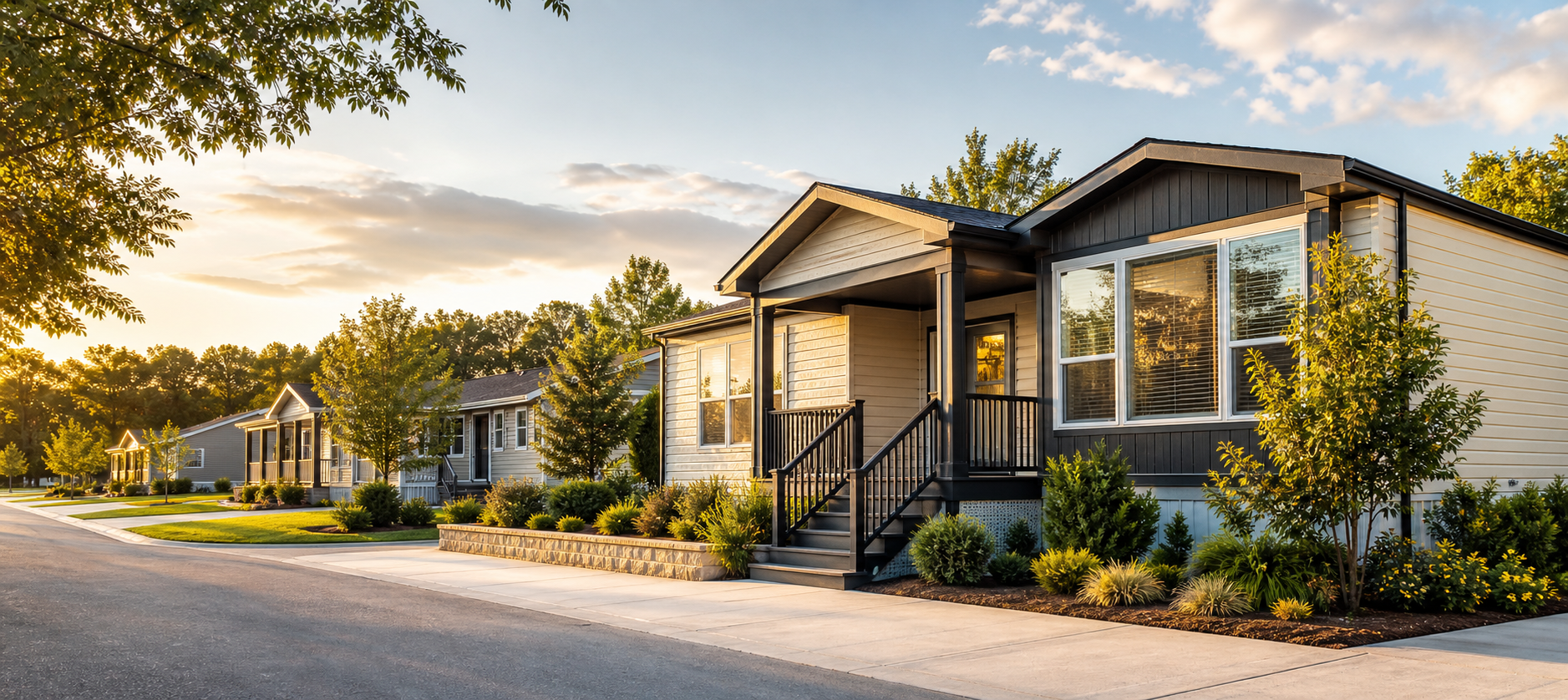
A manufactured home is built to the federal HUD Code, which sets standards for safety, construction, energy efficiency, durability, and design. These homes are very different from older “mobile homes” built before 1976. Today’s manufactured homes can include modern floor plans, farmhouse styles, open kitchens, large bedrooms, porches, and many of the same features people expect in a traditional home.
A modular home is also factory-built, but it is built to the same state and local building codes as a site-built home. Because those codes vary by location, modular homes may have different requirements depending on the county, city, or state where they are placed.
Another difference is the foundation. Manufactured homes are commonly placed on pier and beam foundations, but they can also be placed on permanent foundations depending on the buyer’s needs, land, and local requirements. Modular homes are typically installed on a permanent foundation and are treated more like traditional site-built construction.
Both options can be great choices. The right fit usually depends on your budget, location, land, financing options, and the style of home you want. Our team can walk you through both options and help you decide which one makes the most sense for your situation.
How is a manufactured home different from a site-built home?
Manufactured homes are built inside a controlled factory setting and must meet the federal Manufactured Home Construction and Safety Standards, commonly known as the HUD Code. Site-built homes, on the other hand, are constructed at the property using traditional building methods and must follow local or state building codes.
The HUD Code was introduced in 1976 and created a much higher standard for factory-built housing. Because of this, today’s manufactured homes are very different from the older “mobile homes” built before these standards existed. Modern manufactured homes are built with improved quality, safety, design, and efficiency in mind. Today, manufactured homes are available in a wide range of floor plans, styles, finishes, and features. Many are designed to blend beautifully into neighborhoods and can offer the look and feel of a traditional site-built home while still providing the advantages of factory-built construction.
Will a manufactured home appreciate in value?
In many cases, a home can be a strong long-term investment. Whether a home is manufactured or site-built, its value is influenced by many of the same factors, including the location, the strength of the local housing market, demand in the area, the condition of the neighborhood, and how well the home is cared for over time.
When a manufactured home is properly installed, maintained, and placed in a desirable area, it has the potential to increase in value much like nearby site-built homes.
Are the materials used in manufactured homes of the same quality as those in traditional homes?
Yes. Today’s manufactured homes are built with many of the same types of quality materials used in traditional site-built homes. This can include durable roofing, siding, insulation, flooring, cabinetry, fixtures, and other important components.
Modern manufacturers focus on strength, efficiency, and long-term durability, helping ensure that the home is built to last while still offering comfort, style, and value.
How quickly can a manufactured home be built?
Manufactured homes are typically built faster than traditional site-built homes because much of the construction takes place in a controlled factory environment. This can help shorten the overall timeline and allow buyers to move into their new home sooner.
Several factors can affect how long the process takes:
Home Size and Complexity
Larger homes or models with more detailed features may take longer to complete than standard floor plans.Factory Production Schedule
Build times can vary depending on the manufacturer’s current production schedule, seasonal demand, and order volume.Customization Options
Special requests such as upgraded finishes, layout changes, or added features may extend the construction timeline.Transportation and Setup
Once the home is built, it must be delivered to the property and properly set up. This step can also affect the overall timeline.Permits and Local Requirements
Local permitting, inspections, and approval processes can vary by area and may impact when the home can be delivered or occupied.
For the most accurate timeline, it’s best to speak with your Magnolia Estates Housing Consultant. They can give you a better estimate based on the home you choose, any custom options selected, and the requirements for your specific location.
Financing & Cost
Questions about the lending and cost.
Do I need to own the land outright to use it as a down payment?
In most situations, the land must be owned free and clear, without any existing liens or mortgages, in order to be used as a down payment. However, some lenders may still review the option if you have enough equity in the property.
Can I finance a mobile home with bad credit?
Financing may still be possible even if your credit is not perfect. In many cases, buyers with a credit score above 500 and a reasonable down payment may have options available. Keep in mind that lower credit scores can sometimes lead to higher interest rates or require a larger down payment.
Having a qualified co-signer can also improve your chances of approval. A co-signer with strong credit and steady income gives the lender added confidence and may help you qualify for better loan terms.
If you already own land, that can be a major advantage. Some lenders offer Land-in-Lieu financing, which allows the equity in your property to be used toward the down payment. This may reduce, or in some cases eliminate, the need for a large cash down payment.
A larger down payment can also help strengthen your application. By putting more money upfront, you lower the lender’s risk and may improve your chances of getting approved, even with a lower credit score.
Do manufactured homes appreciate in value?
A home can be a valuable long-term investment, whether it is manufactured or site-built. Like any property, its value depends on several key factors, including the location, the condition of the home, the strength of the surrounding community, and the demand for housing in that area.
When today’s manufactured homes are properly installed, well maintained, and located in a desirable market, they can increase in value similarly to comparable site-built homes nearby.
Are there any government-backed loan programs for manufactured homes?
Yes. There are government-backed financing options that may be available for manufactured homes. Programs through the Federal Housing Administration, also known as FHA, and the Department of Veterans Affairs, or VA, can help qualified buyers purchase a manufactured home.
These programs are often designed to make financing more accessible and may offer more flexible credit guidelines, lower down payment options, or other benefits depending on the buyer’s situation and lender requirements.
Buying Process
How long does the process take from order to move-in?
We can move at the pace that works best for you. Some buyers are ready to move quickly, while others need more time to plan, prepare land, or customize their home.
Here is a general timeline:
In-stock homes: If you choose a home that is already available, delivery can often happen soon after closing.
Custom or ordered homes: If your home needs to be built or customized, the factory timeline can vary. Depending on the manufacturer, this may take anywhere from 2 to 12 weeks.
Land preparation, delivery, and setup: If your property needs site prep, utilities, permits, or other work before the home arrives, a few additional weeks may be needed for delivery and setup.
Every situation is different, so our team will help you understand the timeline based on the home you choose, your land, and your specific needs.
Do you help people find land for their mobile homes?
We do not sell land directly, but we can still help you explore your options.
If you already have land in mind, we may be able to help you include the land purchase in your home financing. This can make the process simpler by combining the home and land into one financing plan, depending on lender approval.
If you are not looking to buy land right now, we can also help you find manufactured home communities in your area that may be a good fit for your needs.
Do you accept trade-ins?
Yes! We do accept trade-ins.
If you currently own a manufactured home, our team can review your situation and see if your home may qualify as a trade-in toward the purchase of a new home. Trade-in value can depend on several factors, including the age, condition, location, title status, and whether the home can be moved.
The best first step is to get with one of our Magnolia Estates housing consultants. They can walk you through the process, answer your questions, and help determine what options may be available for your specific situation.
Still have questions?
Our team is here to help you every step of the way.